











Ultra low emissions and efficient dust removal: a comprehensive approach to the treatment of industrial waste gas and dust
2026-05-27
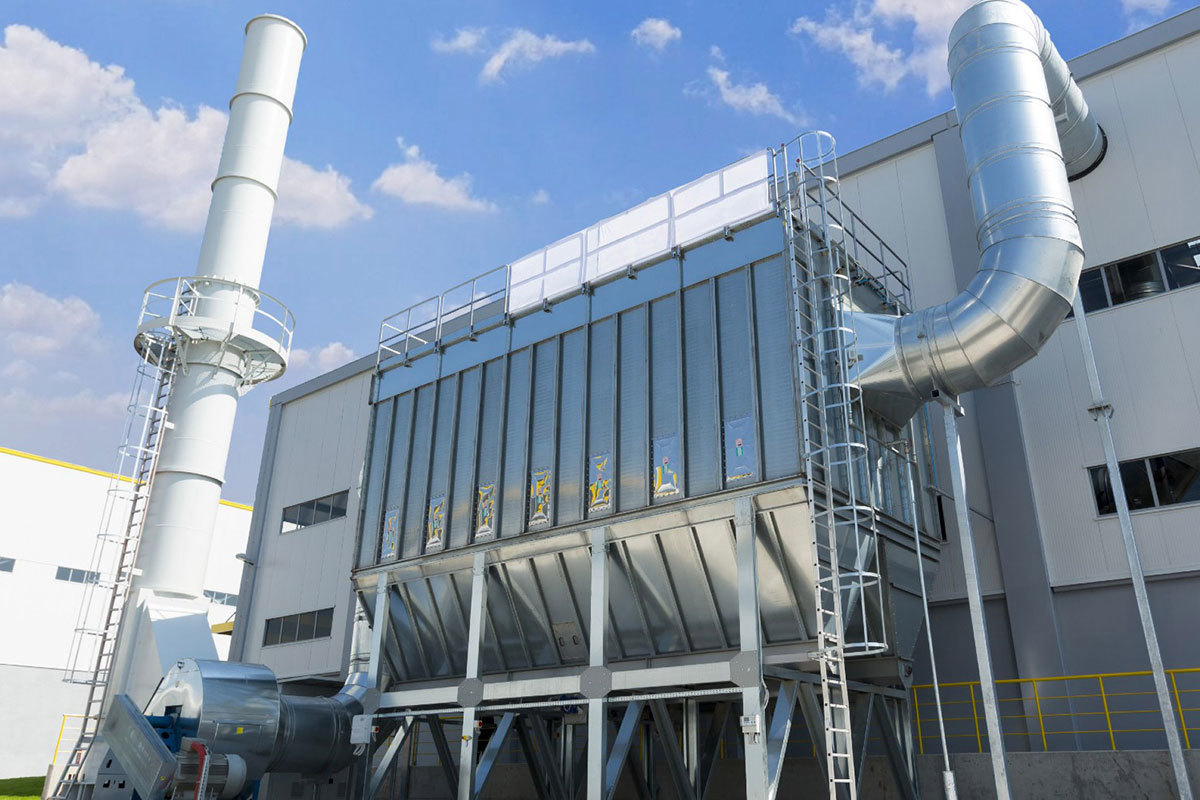
With the continuous tightening of global environmental regulations, industrial flue gas treatment has fully entered the era of "ultra-low emissions". The traditional single dust removal mode is no longer able to cope with increasingly stringent emission standards and complex working conditions challenges. The comprehensive treatment of modern industrial waste gas and dust is gradually shifting from simple end interception to a deep optimization stage of multi pollutant collaborative control, intelligent operation, and full process energy saving.
1、 Core technology upgrade: breaking through the bottleneck of traditional dust removal
Under the mandatory requirement of ultra-low emissions, the core components and technological roadmap of dust removal equipment have undergone iterative upgrades.
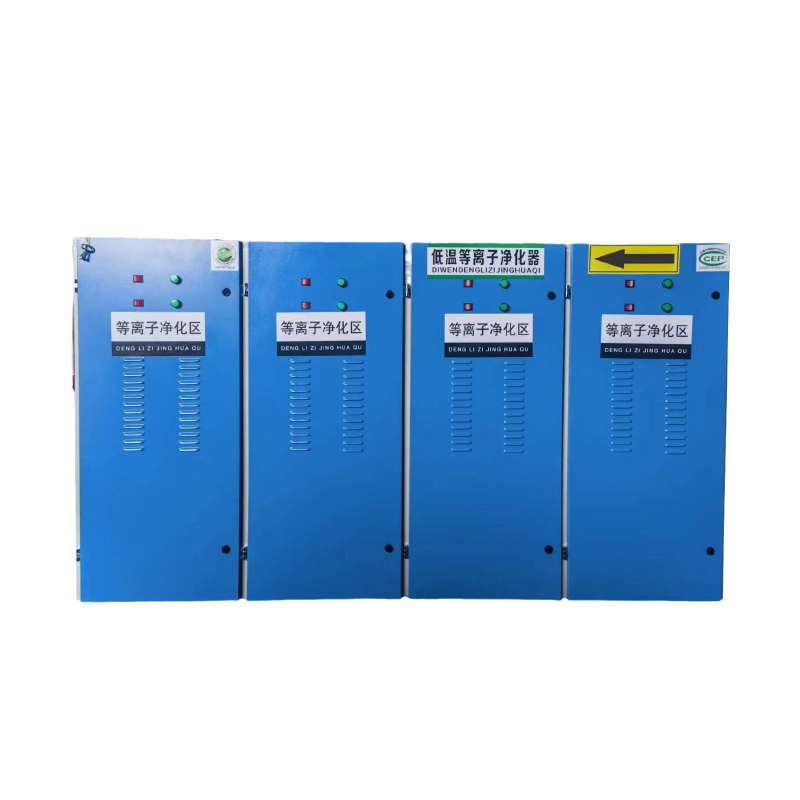
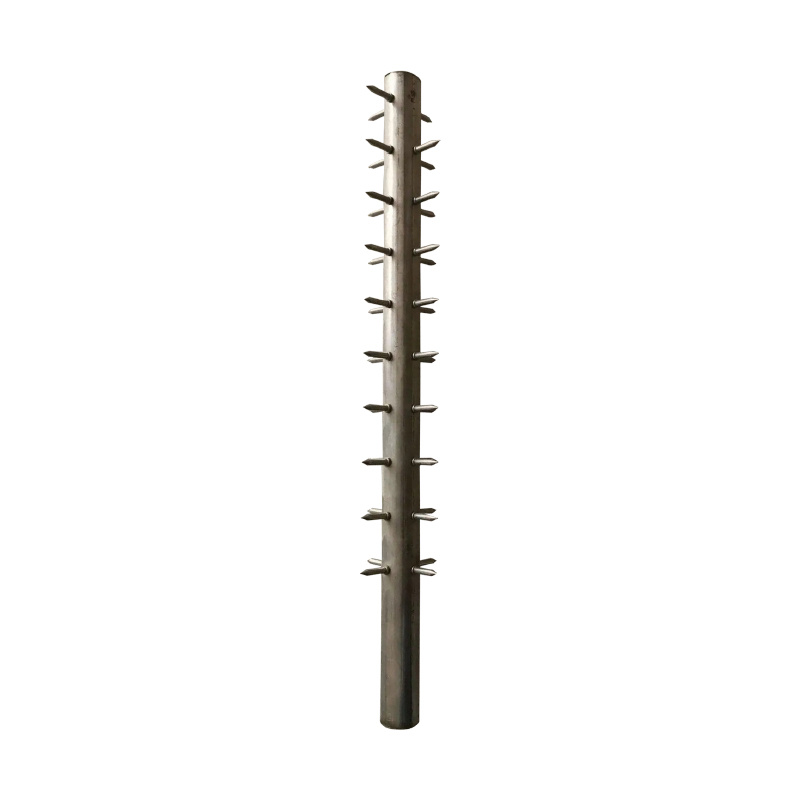
1. Deep optimization of electric field and flow field: In response to the problems of secondary dust and high energy consumption in traditional electrostatic precipitators, the industry has begun to introduce multi physics field coupling analysis technology. By simulating the interaction between airflow, particles, and electric fields, customized segmented cathode wires and flow distribution devices can be designed to accurately adapt to fluctuations in flue gas dust content, ensuring a dust removal efficiency of over 99.9% while significantly reducing system operating energy consumption.
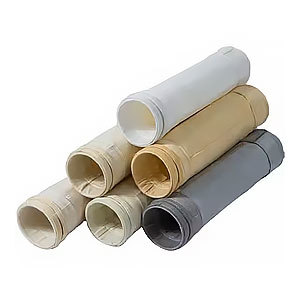
2. New materials empower filtration performance: In the face of high specific resistance dust or fine particles, new functional filter materials have become key. For example, using graphene composite dust collectors or nanofiber coated filter cartridges/bags not only has excellent conductivity and corrosion resistance, but also effectively suppresses back corona phenomenon, significantly improving the ability to capture submicron dust.
3. Fine application of wet electrostatic precipitator: As an end of pipe control equipment, wet electrostatic precipitator performs excellently in handling high humidity and viscous aerosols. By accurately selecting materials to resist strong corrosive smoke, combined with a low-energy sealed air system, it is possible to achieve deep removal of fine particles while ensuring the long service life of the equipment.
2、 Comprehensive Management Strategy: Collaborative Control of Multiple Pollutants
A single dust removal process often cannot solve the complex pollution of sulfur dioxide, nitrogen oxides, and heavy metals in exhaust gas. Therefore, the integrated collaborative governance of "dust removal+desulfurization+denitrification" has become the mainstream trend.
In practical engineering, common combination processes include "dry desulfurization+high-efficiency bag dust removal+low-temperature SCR denitrification". This integrated process not only synchronously removes particulate matter, acidic gases, and nitrogen oxides, but also reduces the overall energy consumption of the system through reasonable temperature control. In addition, collaborative technologies such as activated carbon adsorption are widely used, which can simultaneously achieve adsorption and purification of dioxins, heavy metals, and various harmful gases in one system, greatly simplifying the process flow and reducing the footprint.
3、 Intelligent operation and maintenance: from passive response to active regulation
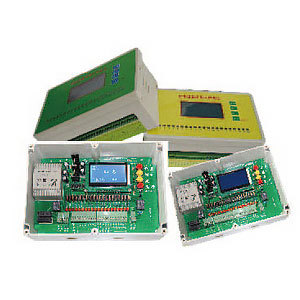
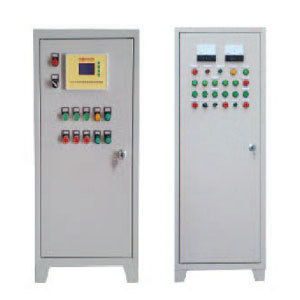
Efficient exhaust gas treatment cannot be achieved without an intelligent control system. Modern dust removal systems are commonly equipped with DCS and online CEMS.
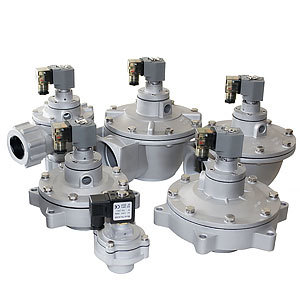
By deploying high-precision sensors, the system can monitor key parameters such as inlet and outlet pressure difference, emission concentration, oxygen content, and smoke temperature in real time. An intelligent control system based on deep learning algorithms can automatically adjust the injection frequency, fan speed, and denitrification agent injection amount according to real-time working conditions. This not only eliminates the lag of human operation and achieves millisecond level abnormal response, but also minimizes the pollution control cost per ton of steam or unit air volume through refined energy management.
The comprehensive treatment of exhaust gas and dust under the background of ultra-low emissions is a systematic project covering materials science, fluid mechanics, and intelligent control. For industrial enterprises, abandoning the previous "headache cure" local transformation thinking and adopting a comprehensive treatment plan with multi pollutant collaboration and low consumption throughout the entire life cycle is not only an inevitable choice to cross the red line of environmental compliance, but also a core driving force to promote the transformation of enterprises towards green, low-carbon, and high-quality manufacturing.

Контакты Нас
Телефон:
WeChat:
WhatsApp:
Почта:
Адрес:
338 Национальная дорога Юг, деревня Longfengdian, город Ботоу, провинция Хэбэй, Китай
JiuznTomine профессионально поставляет технически сложные проекты на рынках и предоставляет индивидуальные решения для их индивидуальных потребностей.


КОНТАКТЫ
Телефон:+86 18531710311
WeChat: 18531710311
338 Национальная дорога Юг, деревня Longfengdian, город Ботоу, провинция Хэбэй, Китай